agro@cultivossantaelena.com
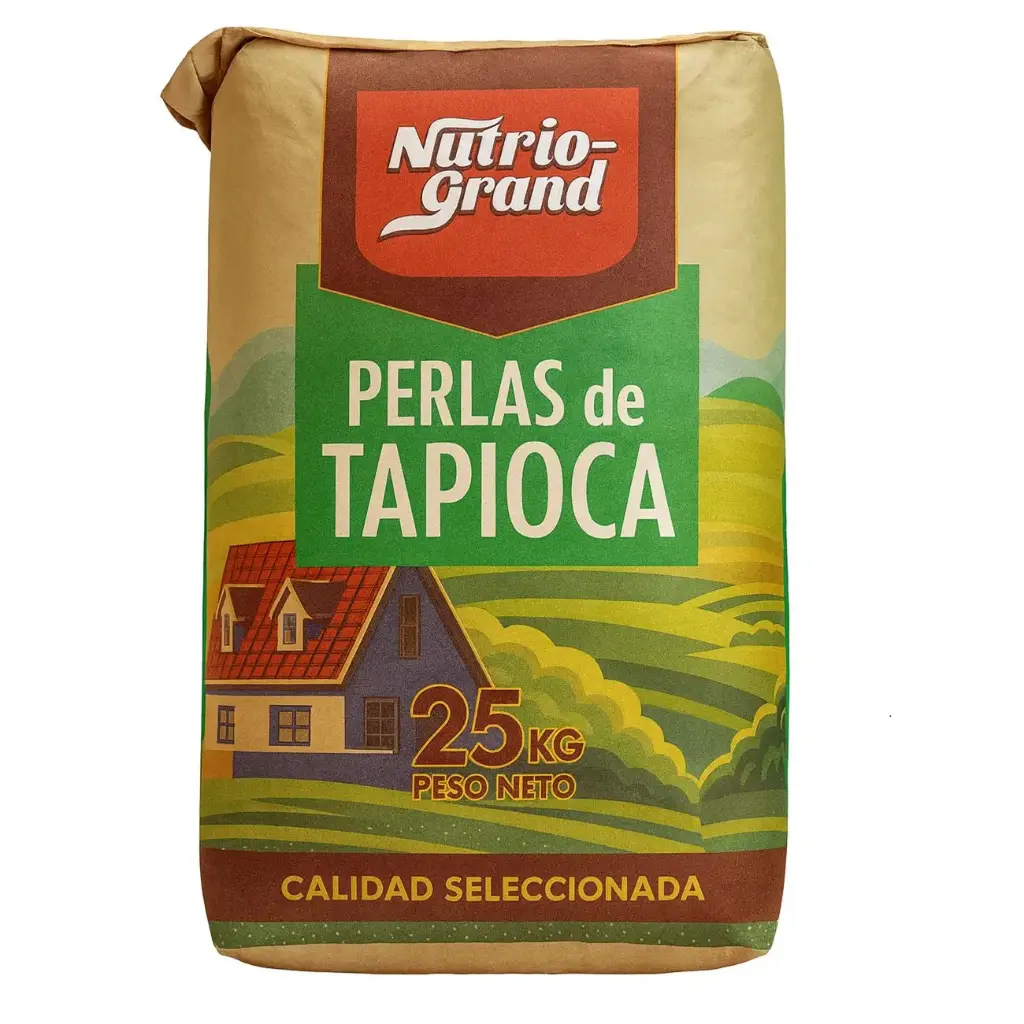
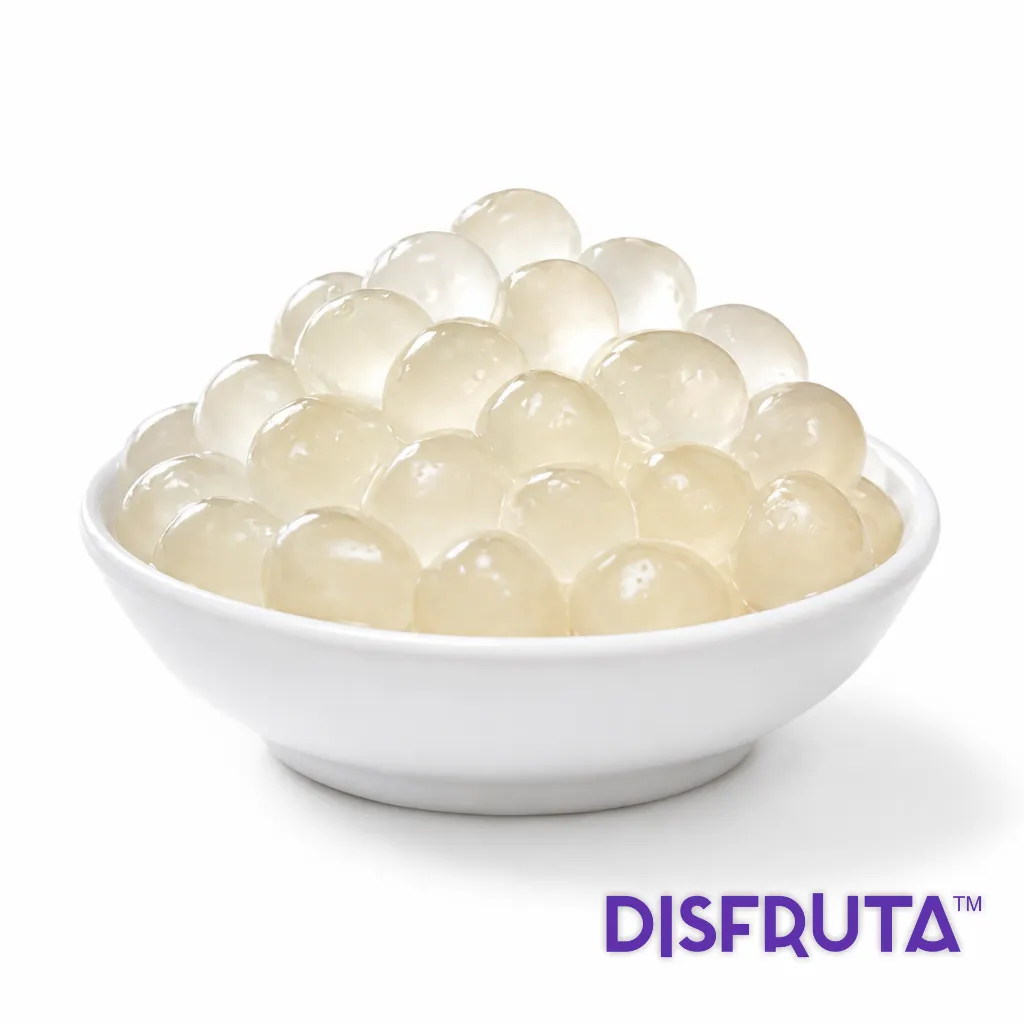
Tapioca pearls made from Brazilian cassava starch (Manihot esculenta) and marketed under the Nutriogrand® brand. These small dried starch spheres develop their characteristic translucent appearance and soft, gelatinous, pleasantly chewy texture after hydration and cooking. In Brazil, cassava-based tapioca pearls are traditionally known as sagu.
100% cassava starch. No added additives or preservatives.
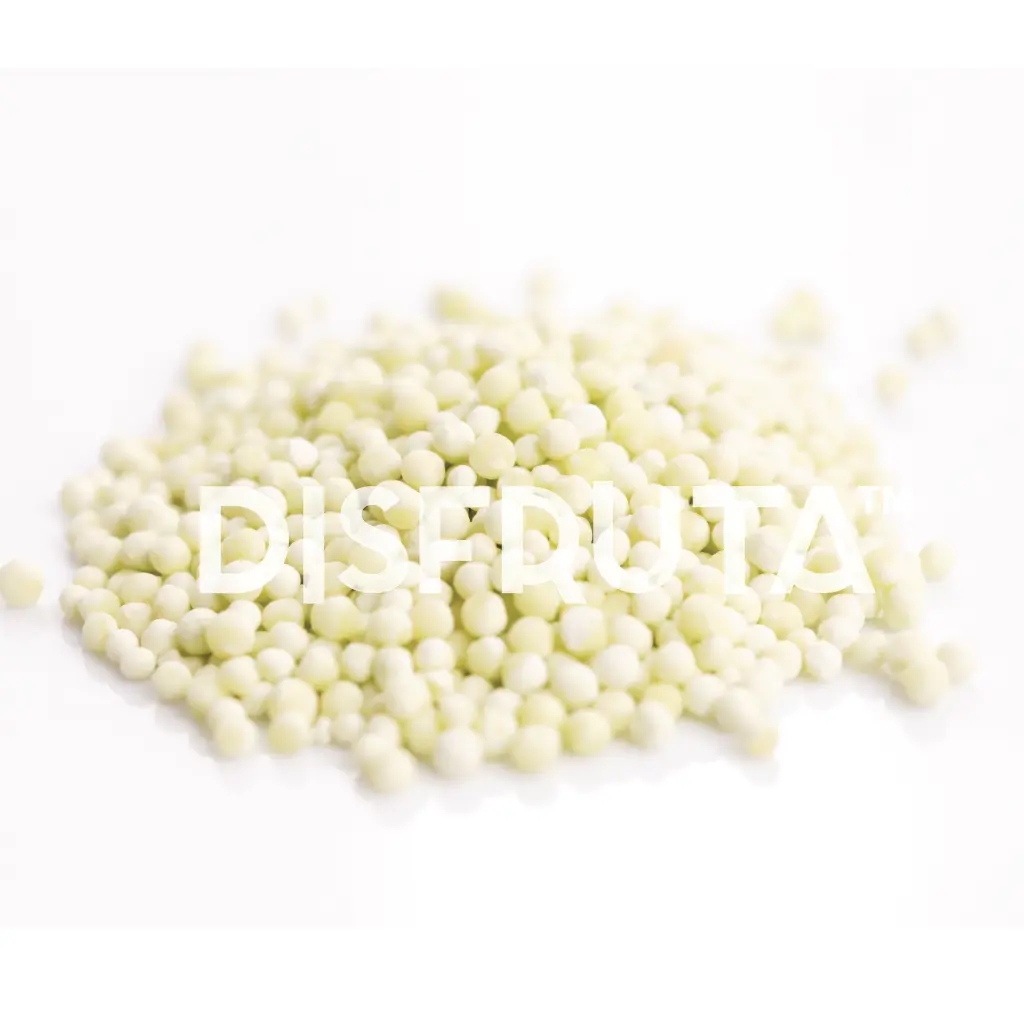
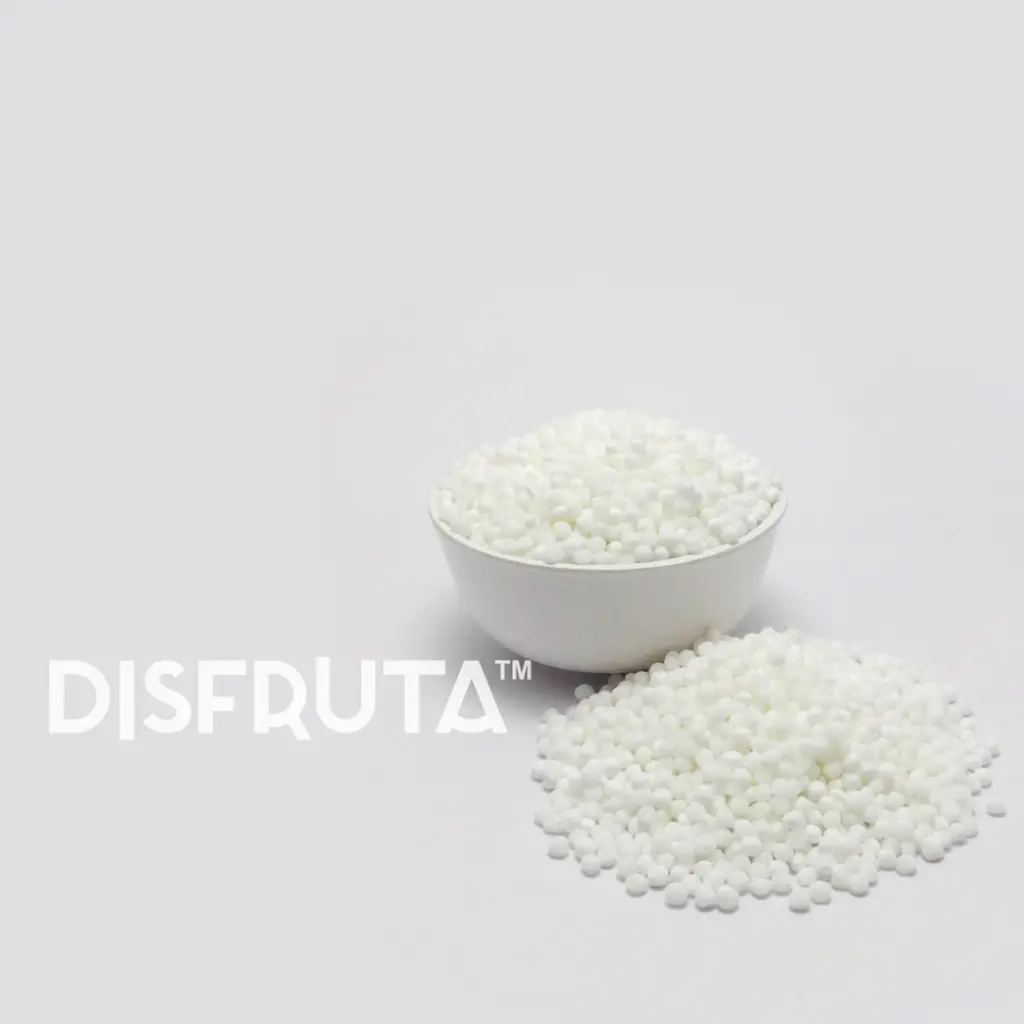
When dry, the pearls have a white to creamy-white appearance, hard texture and essentially neutral flavor. During cooking, they absorb water, increase in volume and gradually become translucent, developing a soft, elastic and chewy consistency. Their neutral flavor makes them particularly suitable for absorbing and complementing sweet, fruity, dairy-based and spiced preparations.
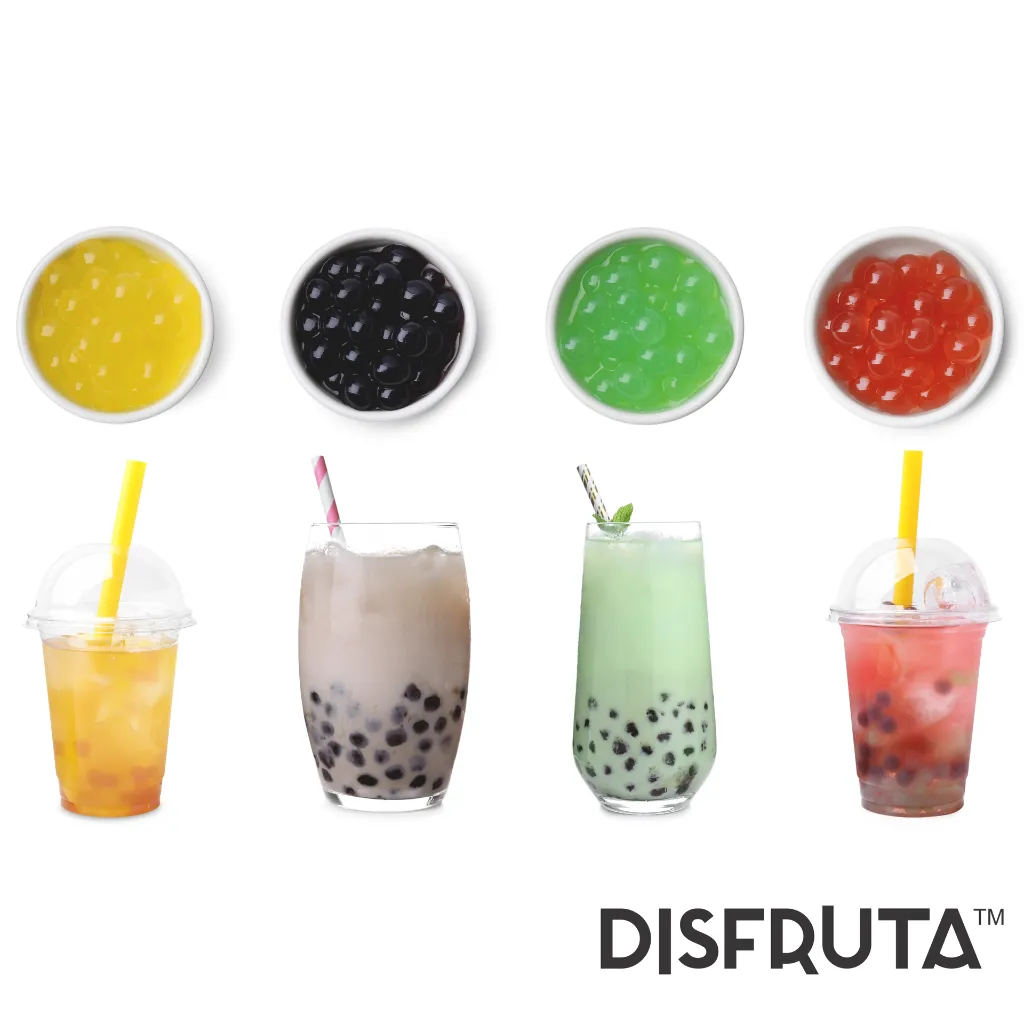
Ideal for tapioca desserts, puddings, preparations with milk or coconut milk, fruit, juices and syrups. Also suitable for beverages, toppings, ice cream, bakery, foodservice and gourmet applications. In Brazil, a traditional preparation is sagu, in which the pearls are hydrated and cooked, frequently with fruit juice or red wine.
25 Kg bulk bag (BTO) intended for food manufacturing, bakery, foodservice and high-volume preparation.
Store in a cool, dry and clean environment, protected from moisture, direct sunlight and heat sources. Keep the package properly sealed to prevent moisture absorption and contamination. After opening, reseal tightly and handle only with clean, dry utensils.
Clean, dry pearls with a generally uniform appearance, free from abnormal moisture, off-odors, contamination, insects or foreign material. When properly cooked, the pearls should hydrate and gelatinize uniformly, developing a soft, chewy texture and predominantly translucent appearance.
Brazil.
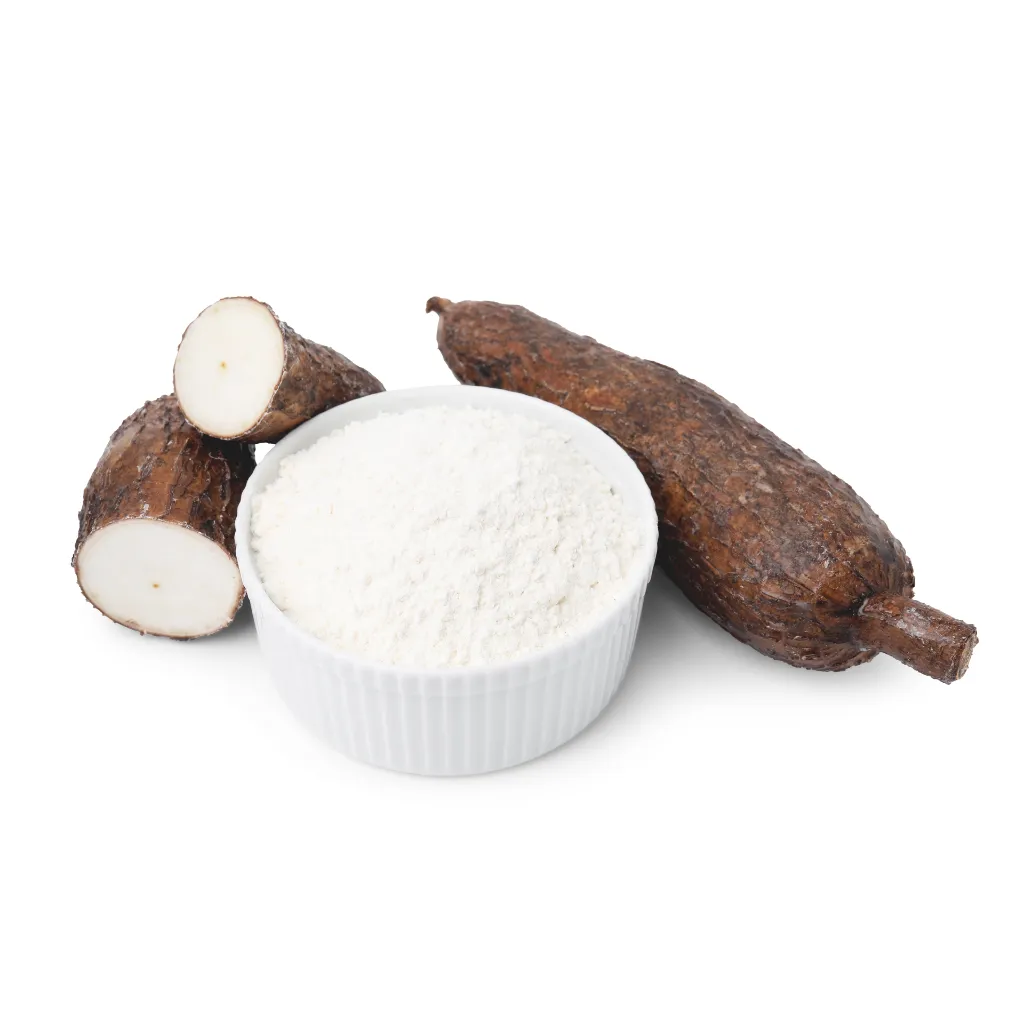
La tapioca se obtiene del almidón extraído de la raíz de yuca o mandioca (Manihot esculenta), planta originaria de Sudamérica y profundamente vinculada con la cultura alimentaria brasileña. Es importante distinguir las perlas de tapioca brasileñas o sagu de la tapioca tipo crepa conocida en Brasil como tapioca o tapioquinha: aunque ambas proceden del almidón de yuca, son productos diferentes. Las perlas se forman mediante aglomeración y gelatinización parcial del almidón y posteriormente se secan; al cocinarse nuevamente en líquido se hidratan, aumentan de volumen y desarrollan su característica textura gelatinosa y translúcida.
These other products might interest you